Overview: Probate Lawyers
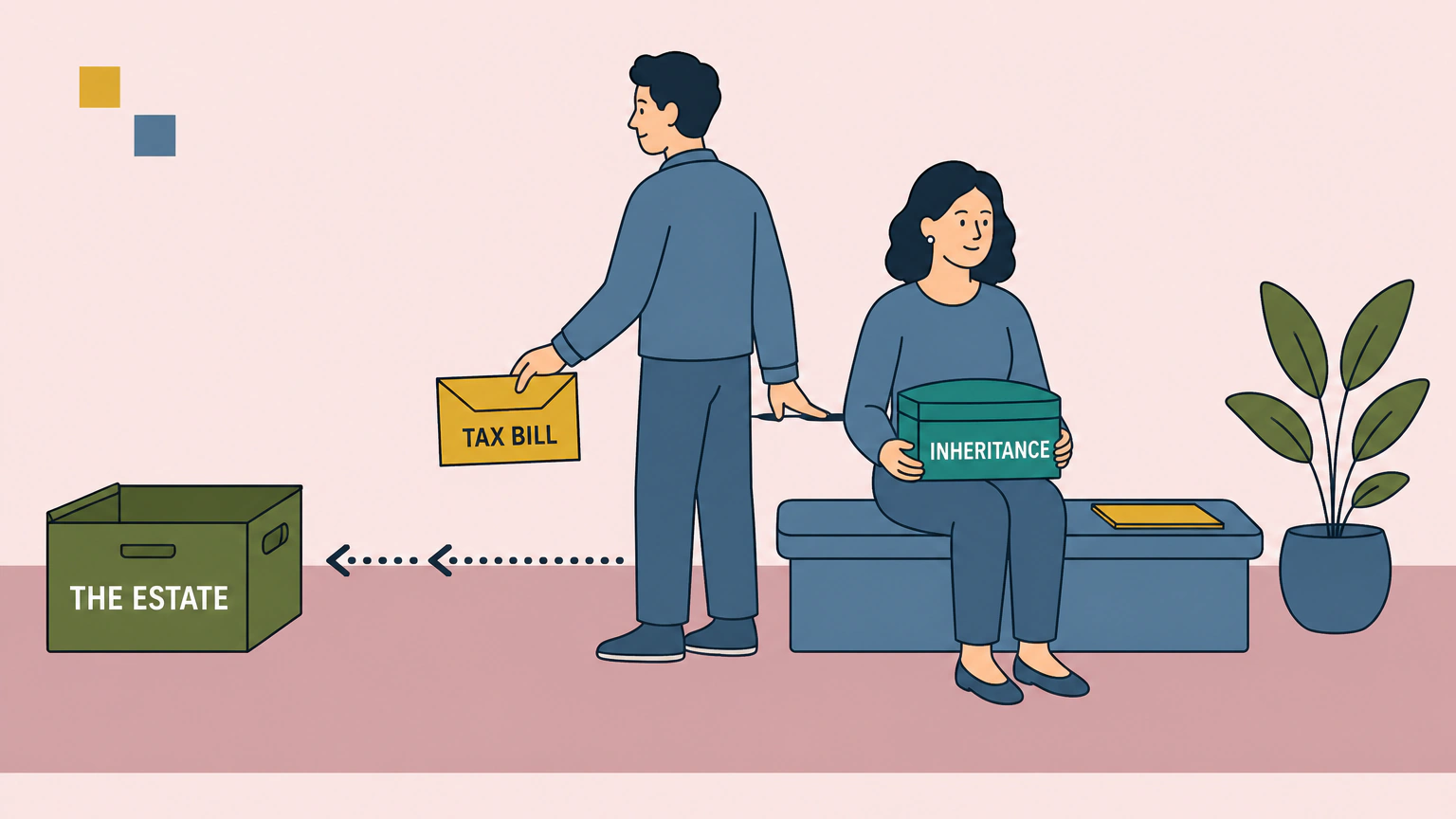
Probate is how a court confirms that a will is valid and that the person handling the estate has authority to act. Banks and land registries usually want that confirmation before they will release anything. The estate trustee gathers the assets, values them, pays the debts and taxes, files the final return, and distributes the rest to the beneficiaries.
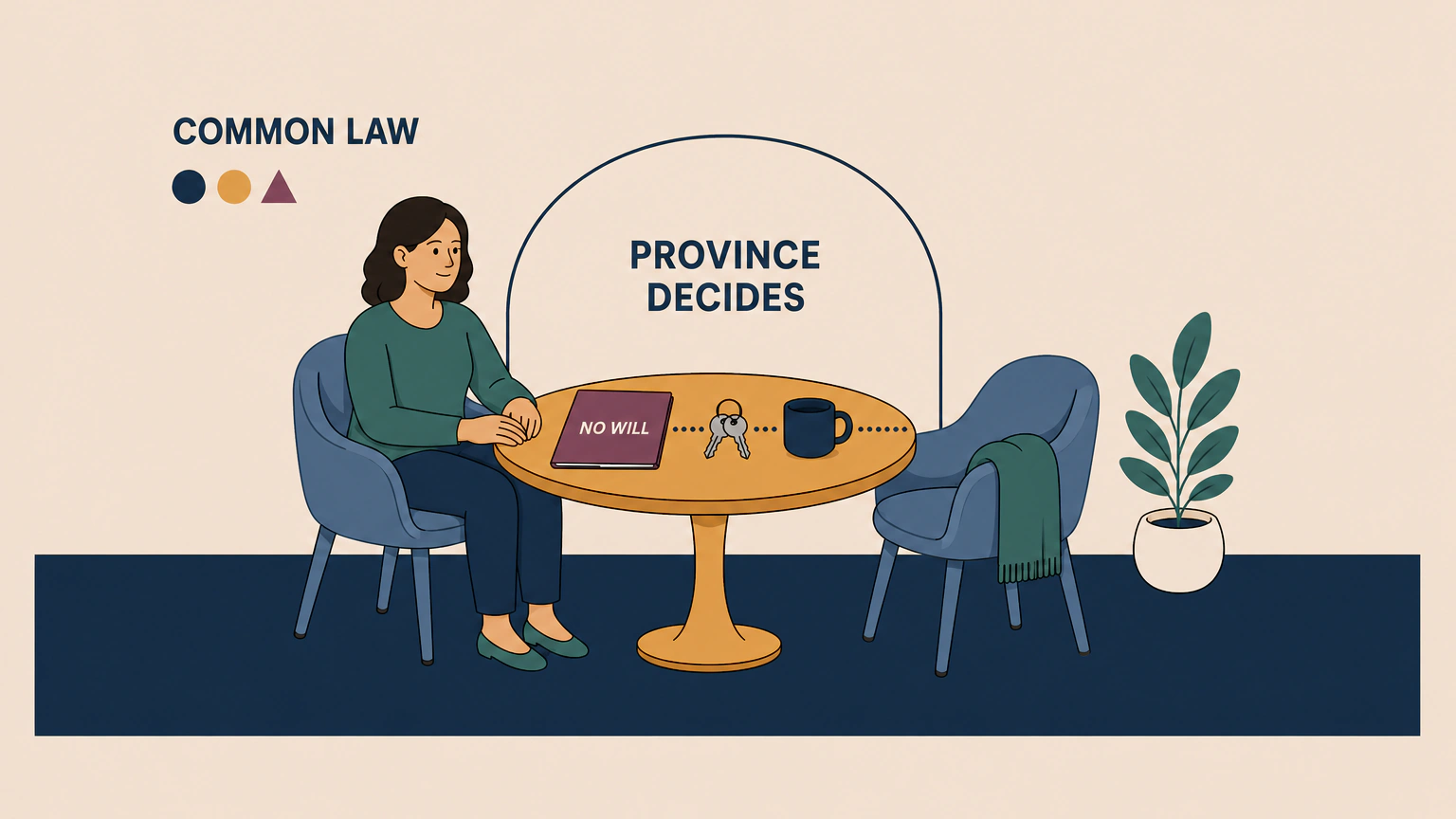
The process is provincial, so the names and the paperwork change as you cross a border. Ontario grants a certificate of appointment, Quebec runs on a different system with notaries and a liquidator, and several provinces levy a fee based on the value of the estate. Ask a firm how it handles estates in the province where the deceased lived, whether it takes the file over or supports you through it, and how the account will be billed.
Bring the death certificate, the original will, statements for every account, land titles, and details of registered plans and insurance with named beneficiaries. Those named assets often pass outside the estate.
Listings show what each firm states on its own website about estate administration. The province and city lists lead to lawyers near you, and each city page separates firms in the city from those nearby.
Cost of probate and estate lawyers in Canada
First establish whether a court grant is needed and how much of the executor’s work you want the lawyer to handle. The figures below are legal fees before tax and third-party charges.
Check whether a grant is needed
In Quebec, a notarial will does not require probate. Elsewhere, confirm whether a grant is needed. Government probate charges or estate administration tax are additional; a grant fee does not cover full estate administration.
| Service or situation | Planning fee | Scope and extras |
|---|---|---|
| Court application with a will | C$2,500–3,500 in legal fees | A straightforward application for the grant or certificate appointing the executor, through routine processing and issue.Court charges, estate tax, disputes and substantial post-grant work are extra. |
| Court application without a will | C$2,900–3,750 in legal fees | A straightforward application to appoint an administrator where there is no will and the necessary records and cooperation are available.Bond premiums, difficult beneficiary searches and contested appointments can add costs. |
| Help with selected executor tasks | C$365–395 per hour | Legal help with agreed tasks while you retain responsibility for other estate work. Ask for estimated hours and a spending limit.Accounting, tax returns, property transfers and litigation may require separate professionals or fees. |
| Administration through final distribution | Request an itemized estate budget | Specify who collects assets, deals with debts, prepares accounts, obtains tax advice and distributes funds; separate disputed or cross-border work.Agree the payment schedule and any initial deposit before estate funds become available. |
Ask before you hire
Is this quote only for the court grant, or does it include the legal work through final accounts and distribution?
Ways to control the cost
Ask about hiring the lawyer only for the grant or specific difficult tasks if you can manage the remaining executor work.
More cost details
What changes the quote
- Whether a grant is needed, a usable will exists and the appointment is uncontested.
- Number and location of assets, beneficiaries and missing records.
- Tasks handled by the executor versus the lawyer, accountant and other professionals.
Check your quote
- Grant application and later administration listed as separate stages.
- Government charges, bonds, tax/accounting and property-transfer costs itemized.
- Who pays initially, payment from estate funds and approvals for additional work.
Canadian context
In Quebec, a holograph or witnessed will generally needs verification by a qualified notary or court. Ask for the applicable service rather than assuming a lawyer’s grant-application package applies.
Planning ranges from published Canadian fees, not a Canada-wide average. Actual quotes can fall outside them. Fees exclude applicable sales taxes and separate expenses unless stated.
Frequently asked questions
What does an executor actually have to do?
Locate the will, apply for the grant if one is needed, then secure and insure the property. Open an estate account, notify the relevant agencies and value the assets. Pay the debts, file the final tax return and wait for the clearance certificate before you distribute. The trustee carries personal responsibility for getting all of it right.
Does every estate have to go through probate?
Not always. Assets held jointly, registered plans and insurance with a named beneficiary, and property inside a trust pass outside the estate. Some institutions release modest balances without a grant. Whether you need one depends on what the banks and the land registry demand, and they set their own thresholds.
How long does estate administration usually take?
Expect months rather than weeks. Waiting for the clearance certificate from the tax authority is often the longest single step, and property sales, foreign assets and family disagreements all add time. A lawyer can usually tell you which stage will be slow once the inventory is done.
How is probate work usually billed?
Usually hourly, sometimes as a flat fee for a simple application, and occasionally as a percentage of the estate where the trustee is a professional. Ask which costs come out of the estate, what disbursements to expect, and whether probate fees payable to the province are included in the quote.
Can beneficiaries challenge a will or an executor?
Yes, though they are separate applications. One attacks the validity of the will itself; the other asks the court to require an accounting, or to remove a trustee who is not doing the job. Dependant support claims are a third route again. Keeping beneficiaries informed prevents most of these before they start.